Sleep, materials & design
Latex Luxury, Explained: Feel, Support, and Material Choices
There is a particular pleasure in a sleep surface that gives way just enough, then seems to gather itself beneath you. Latex is known for that quick, buoyant response: cushioning without a deep, lingering sink. Whether that sensation feels perfectly supportive or simply too springy is personal. Knowing how latex is made—and how firmness, bedding and the bed beneath it shape the experience—can make the difference between an informed choice and an expensive guess.
The signature feel: yielding, then returning
Every mattress responds to the body, but not every material responds in the same way. Latex is valued for its combination of pressure cushioning and resilience. When a shoulder or hip presses into the surface, the material compresses; when that pressure shifts, latex tends to recover quickly. The result is a buoyant quality that many sleepers describe as lifted or springy rather than enveloping.
That quick recovery distinguishes latex from foams that conform more slowly and may allow a deeper sensation of sinking. Neither response is inherently superior. A close, contouring feel can be welcome to someone who wants to feel cradled, while a more responsive surface may appeal to someone who prefers to move or change position without feeling held in place. Comfort is not a contest between materials. It is a match between a sleeper’s preferences, body and sleep environment.
“Luxury” in this context is less about a label than about the coherence of the experience. A surface should feel comfortable across the night, provide an appropriate level of support, and suit the room’s temperature and the sleeper’s habits. Natural materials and careful construction may contribute to that experience, but they do not guarantee that every person will find a mattress comfortable.
What latex is—and what “natural” can mean
Latex used in bedding is produced from rubber, with natural latex derived from the milky sap of the rubber tree. The material is processed into a resilient foam, then used in mattress layers or pillows. Some latex products are made with natural latex, some with synthetic latex, and some combine the two. The wording on a label matters: “latex” alone does not tell you the source or the precise composition.
Natural latex is often discussed as a material category, not a single uniform recipe. Production methods, ingredients, processing and the proportions of natural and synthetic components can differ. If a particular material profile is important to you, look for clear, product-specific information rather than relying on broad terms such as “eco,” “green” or “natural.” Certifications may offer useful information about particular standards, but they should be read in context and do not, by themselves, predict comfort.
Two common manufacturing approaches are Dunlop and Talalay. Broadly, they describe different ways of turning liquid latex into foam. Dunlop foam is generally made through a more direct process in which the mold is filled and the material is heated. Talalay production includes additional steps involving expansion and freezing before curing. These methods can yield different structures and feels, although the experience depends on the finished layer as well as its recipe and firmness. A manufacturing name should be a starting point for questions, not a shortcut to declaring one mattress better.
Construction matters because a mattress is a system of layers. A latex comfort layer can sit over a different support material, or several latex layers may be combined at different firmnesses. Thickness, density and arrangement all influence how the surface responds. The word “latex” tells you something important—but not enough to predict the full feel of a particular bed.
Support is not the same as firmness
Firmness is often used to describe the immediate sensation of a mattress: how soft or hard it feels when someone lies down. Support is a broader question. It concerns how the sleep surface accommodates the body and helps keep it comfortably aligned, without excessive sagging or pressure. A mattress can feel soft near the surface while still having a more supportive structure beneath it, or it can feel firm without being a good fit for a particular sleeper.
Latex’s resilience can help distribute pressure while making it easier to shift position. But no material automatically provides the right support for everyone. Body shape, weight distribution, preferred sleeping position, mattress construction and personal sensitivity all influence the result. Two people can lie on the same mattress and describe it very differently—not because one is mistaken, but because the bed is responding to different bodies and expectations.
A useful assessment goes beyond the first impression. When possible, try a mattress long enough to notice whether pressure builds at the shoulders or hips, whether the lower back feels comfortably supported, and whether turning over is easy. Pay attention to how you feel on waking, too. A brief showroom test can help identify obvious dislikes, but it cannot perfectly reproduce a full night at home.
For shared beds, the question becomes more complex. Partners may differ in preferred firmness, body proportions or sensitivity to movement. Latex’s responsive feel can be an advantage for some people, but “responsive” does not mean that all movement disappears. If motion disturbance is a concern, consider the full mattress construction and the experience of both sleepers, rather than assuming a material name settles the question.
Position, pressure and personal preference
Sleep position offers a practical way to think about comfort, though it should not be treated as a rigid formula. Side sleepers often place more pressure on the shoulder and hip. They may prefer a surface with enough give to cushion those areas while still feeling stable through the waist and torso. A latex mattress that is too firm for a particular person may feel pressing; one that is too soft may feel less balanced. The right point depends on the person and the mattress layers.
Back sleepers may look for a comfortable balance between surface cushioning and even support. Stomach sleepers often have different comfort needs and may be sensitive to a mattress that lets the midsection sink too far. These are general considerations, not medical rules. Body proportions, sleep habits and any existing pain or health concerns can change what feels appropriate.
Combination sleepers—those who move among positions—may appreciate latex’s quick response because the material tends to rebound promptly after a change in posture. That can create a more mobile sensation than a slower-conforming surface. But an easy-to-move-on bed is not automatically a comfortable bed. The overall fit still depends on cushioning, firmness and how the mattress meets the sleeper’s body.
For anyone managing persistent pain, numbness or other health concerns, a mattress choice should not replace medical guidance. Comfort preferences are individual, and information about materials cannot diagnose or treat a condition.
Temperature, airflow and the layers around the mattress
People sometimes describe latex as breathable or cool. Those words need context. The experience of sleeping warm or cool can depend on the mattress design, its cover, the sheets and comforter, room temperature, humidity and the sleeper. Latex construction may allow airflow through the material, but that does not mean every latex bed will feel cool to every person.
Bedding can alter the sensation of the sleep surface. A fitted sheet that feels crisp and light may create a different first impression from a heavier, smoother textile. A mattress pad can add softness, but it also introduces another layer between the sleeper and the mattress. A comforter that is too warm for the room may overshadow any temperature-related qualities attributed to the mattress itself.
In an urban bedroom, where room size, heating, cooling and street noise can all shape the night, it helps to consider the whole environment. A mattress cannot compensate for a room that is persistently too warm, harshly lit or disruptive. Adjusting bedding weight, managing airflow and reducing unwanted light or noise may be just as relevant to comfort as changing the mattress material.
Materials also have different care requirements. Follow the manufacturer’s instructions for the mattress and any removable cover; avoid assuming that a mattress can be washed or treated like a sheet. A breathable protector may help guard against everyday spills and dust, but its construction can change the feel of the bed. The best setup is one that protects the sleep surface without making it noticeably less comfortable to you.
The bed beneath the bed
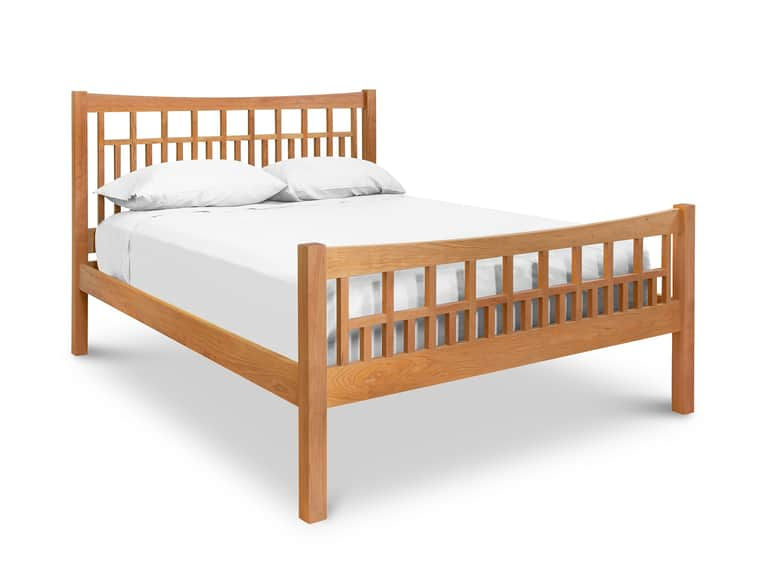
A mattress works in partnership with its foundation. Before placing a latex mattress on a frame, check the mattress maker’s requirements for slat spacing, center support, ventilation and weight capacity. A suitable foundation can help provide an even base; an unsuitable one may affect performance or care coverage. “Platform bed” describes a style of frame, not a universal guarantee that every mattress is compatible.
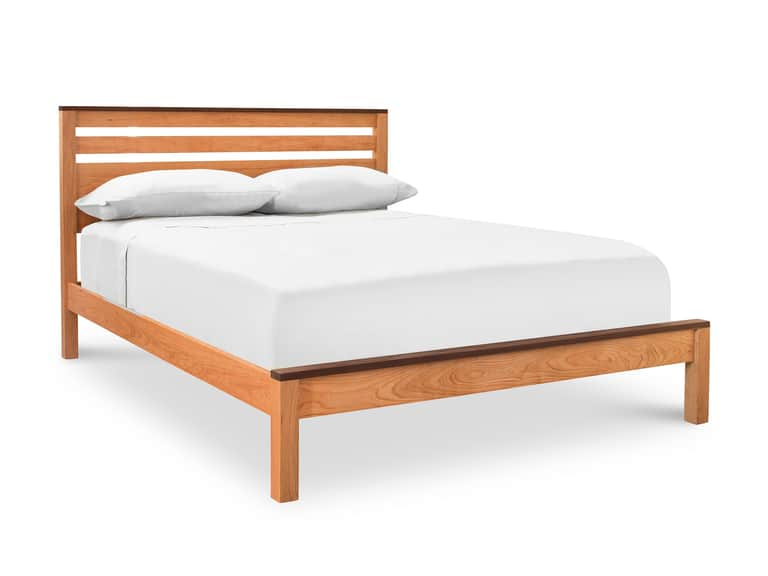
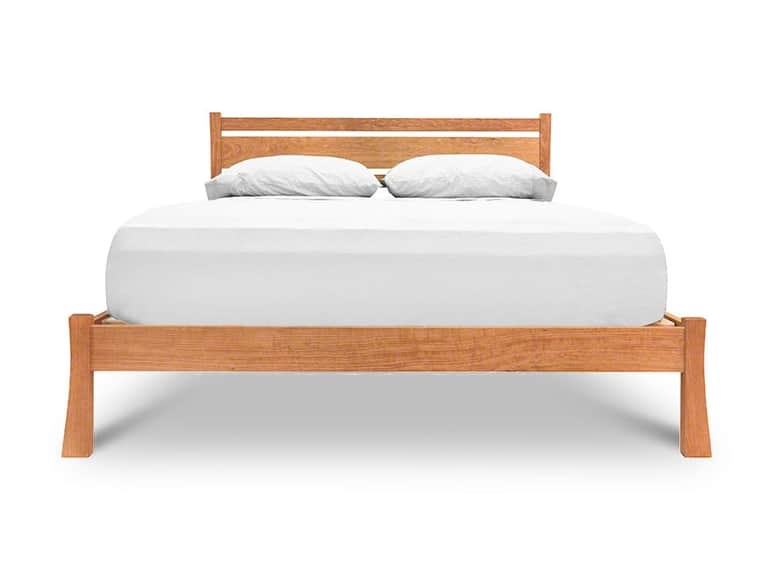
Design can be part of the experience, too, especially in a compact city bedroom where every large object shapes the room. A low-profile frame can create a grounded visual effect, while natural wood brings texture and warmth. For example, the Horizon Platform Bed is a solid-wood platform design with an oil finish. It may serve as a considered foundation for a sleep setup, provided its support details meet the requirements of the chosen mattress.
Practical checks are worth making before a mattress arrives. Measure the room and stairways, consider how the frame affects mattress height, and ensure there is enough space to make the bed and move around it. In older buildings, narrow hallways and tight turns can complicate delivery. These details are not glamorous, but a luxury sleep environment is built from reliable decisions as much as from beautiful materials.
How to evaluate latex without getting lost in jargon
Technical descriptions can be useful, but only when they answer a practical question. Rather than beginning with an abstract search for the “best” latex mattress, identify what you want the surface to do. Do you prefer a buoyant, spring-back sensation or a slower, closer contour? Do you need more cushioning at the shoulder? Do you tend to sleep warm? Are you sensitive to motion? Clear preferences make specifications easier to interpret.
- Ask what the material is. Find out whether the latex is natural, synthetic or blended, and look for clear descriptions of the composition.
- Ask how the mattress is built. Learn which layers are latex, how they are arranged and whether other materials contribute to the support core.
- Use firmness descriptions cautiously. Firmness labels can vary across manufacturers. Treat them as guidance, then consider your own comfort and fit.
- Check the foundation requirements. Confirm that the frame or base offers the kind of support and ventilation specified for the mattress.
- Review care and trial terms. Understand how the mattress should be maintained and what options are available if it does not suit you.
- Think about the full sleep system. Sheets, pads, pillows, comforters and room conditions all contribute to the experience.
It is also useful to separate claims about material properties from promises about personal outcomes. Resilience describes how a material responds to pressure. It does not prove that a mattress will improve sleep for a particular individual. Likewise, natural origin is a material fact, not a guarantee of a specific comfort level or a substitute for transparent information about construction.
A pillow can change the equation
Even a well-chosen mattress can feel wrong when the pillow does not suit the sleeper. Pillow loft and firmness affect the relationship between the head, neck and shoulders, and that relationship changes with sleep position and body proportions. A higher-loft pillow may be comfortable for some side sleepers; back sleepers may prefer a more moderate height; stomach sleepers often seek a lower profile. These are starting points, not prescriptions.
Mattress and pillow choices should be considered together. A shoulder that sinks more deeply into a softer mattress may alter the amount of pillow loft that feels comfortable. On a firmer surface, the body may rest differently. Small adjustments to pillow height or shape can make a noticeable difference to the overall setup, even when the mattress itself remains unchanged.
Fill also shapes the experience. Down can feel soft and adjustable, while a latex-core pillow can provide a more structured, resilient profile. For example, a natural wool-wrapped latex bed pillow combines a Dunlop latex core with wool and an organic cotton cover. Its construction illustrates that latex can appear in pillows as well as mattresses, though the feel and purpose of a pillow are distinct from those of a full sleep surface. A pillow’s loft, dimensions and care instructions should be considered on their own merits.
Luxury without the one-size-fits-all promise
Latex earns its reputation through a particular combination: cushioning that does not necessarily feel slow or deep, paired with a springy return that can make movement feel easy. For some sleepers, that is the appeal. For others, the same buoyancy may feel unfamiliar, too firm or less enveloping than they prefer. A premium material is not a universal answer, and no single construction can be expected to suit every body.
The most useful questions are concrete. Does the mattress provide comfortable pressure relief? Can you move naturally? Does the surface feel supportive in your usual sleep positions? Do the bedding and room conditions help you stay comfortable through the night? Are the materials and care requirements clearly explained? These questions make a more dependable guide than an assumption that luxury has one prescribed feel.
In the end, a refined sleep environment is less a display of materials than an arrangement that works. Latex may be the right centerpiece for someone who values responsive comfort and buoyant support. For someone else, another material may feel more natural. The best decision comes from understanding what the material does, distinguishing construction claims from personal preference, and evaluating the mattress as one part of a larger bedroom system.
The short version
Latex is known for resilient cushioning: it compresses under pressure and tends to recover quickly, creating a buoyant feel rather than a slow, deep sink. The final experience depends on the latex type, mattress layers, firmness, sleeper and surrounding bedding. Look beyond broad labels, check foundation and care requirements, and judge comfort by how the complete setup feels to you.
This article is for general educational purposes. Material descriptions and comfort preferences are not medical advice, and individual experiences vary.